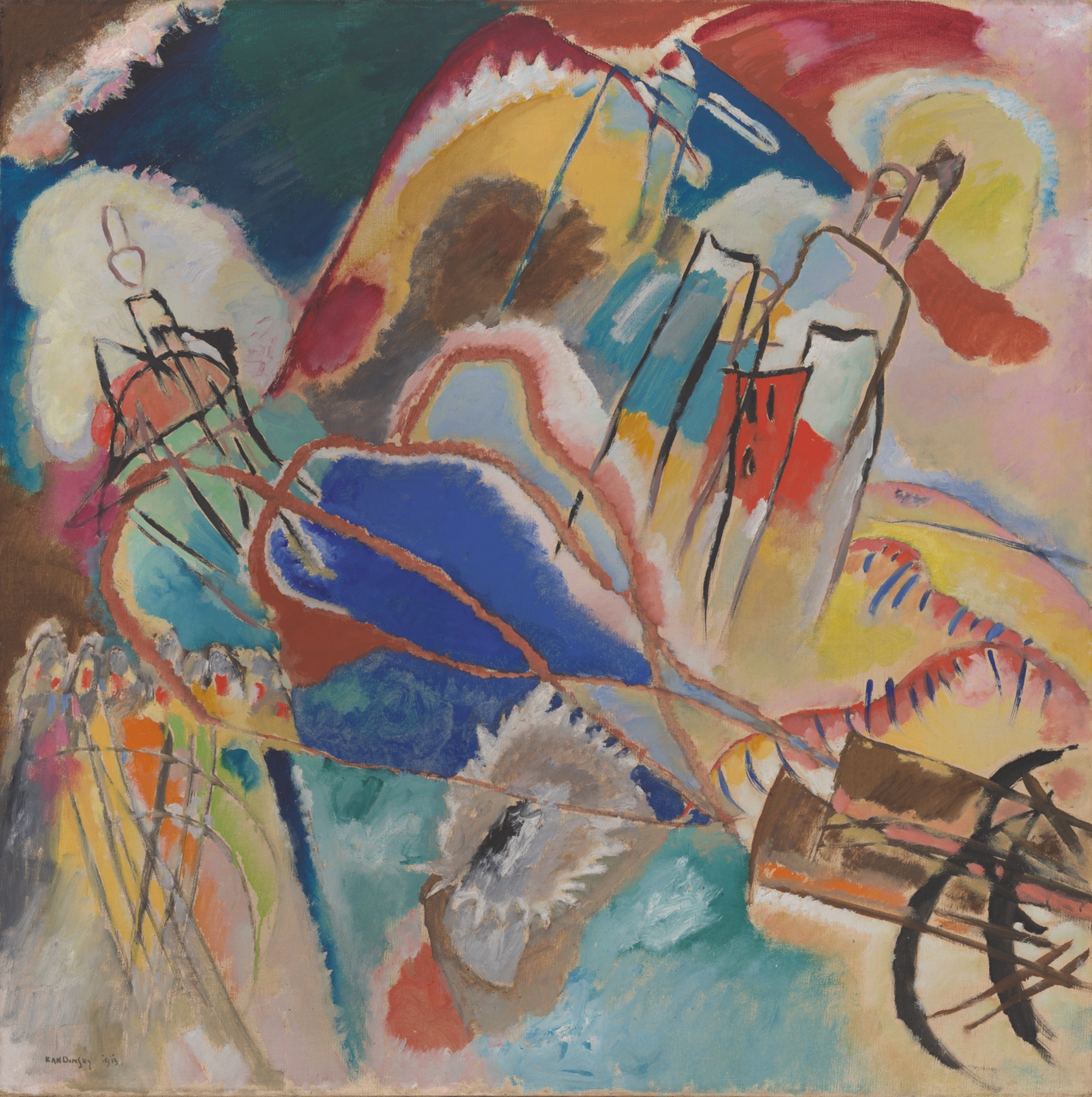
Improvisation No. 30 (Cannons)

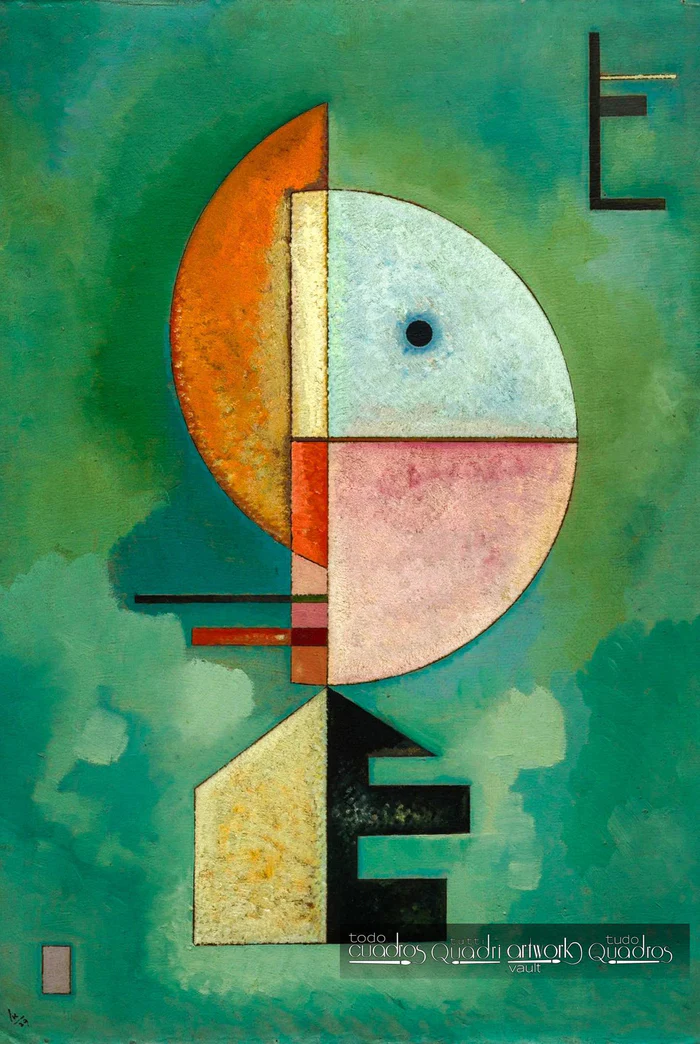
Improvisation No. 30 (Cannons) portrays a swirling, turbulent world of bold colour and fragmented form — Wassily Kandinsky at the peak of his revolutionary transition into pure abstraction, where diagonal thrusts of dark form suggesting cannons emerge from a landscape of blazing reds, whites, and blues that pulse with an almost musical urgency and emotional force. Kandinsky believed painting could achieve what music already had — the direct communication of emotion without reference to the physical world — and this work crackles with exactly that energy, a visual symphony of conflict, movement, and raw, liberated feeling.

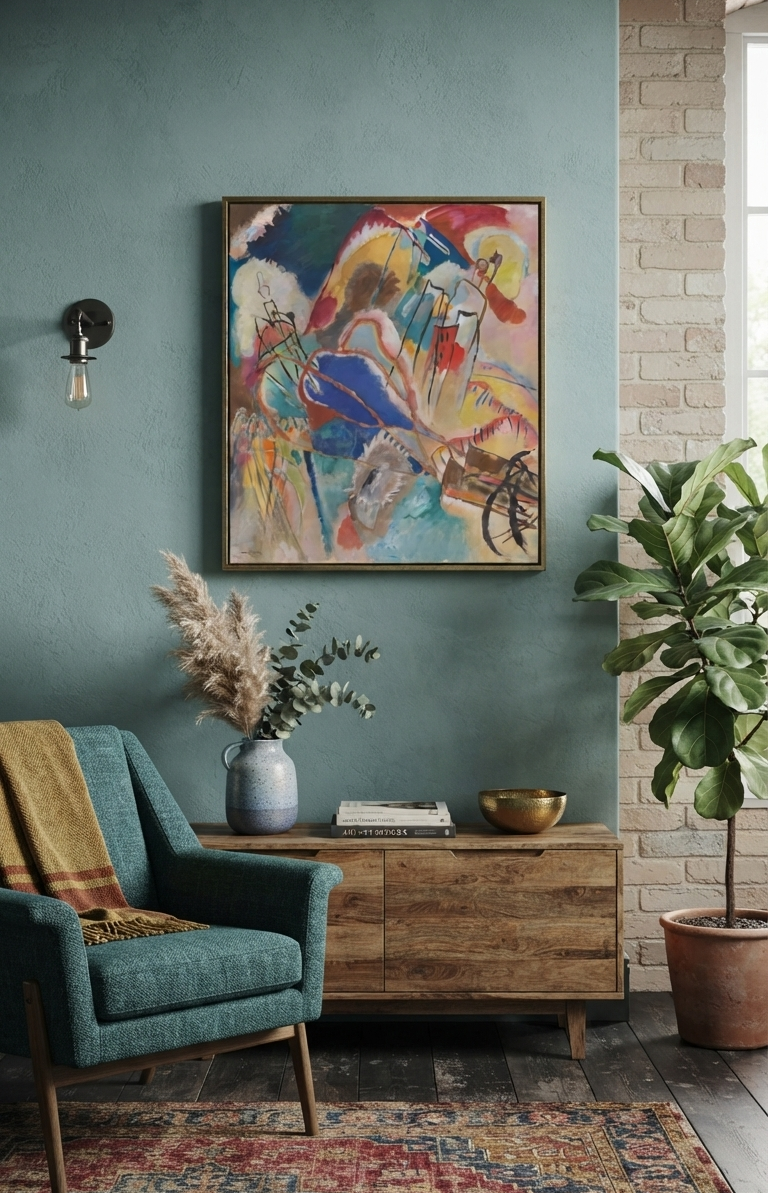
In a home, this work brings a quality of electrifying dynamism, boldly intellectual drama, and fiercely alive chromatic energy. Its swirling composition and fearless palette charge a room with a sense of passionate intensity and creative power — the feeling of a space where ideas move freely, where beauty is understood as something urgent and visceral rather than merely decorative.

It is a perfect fit for Industrial or Bohemian interiors — spaces that welcome boldness, artistic depth, and the confident display of work that demands genuine engagement. In an Industrial setting its explosive colour provides a thrilling counterpoint to raw concrete, steel, and exposed brick, transforming a hard-edged space into something vibrantly, passionately human; in a Bohemian space it anchors a room of eclectic beauty with its intellectual weight and fearless chromatic authority. Either way, it is a work that makes a room feel like a place where something important is always about to happen.
Read More >

Size

Print Material*

Print Quality (A2)

Print Material*

Print Quality (A1)

Print Material*

Print Quality (60X80CM)

Frame Options*

Frame Options (A2) (FINE)

Frame Options*

Frame Options (A1) (FINE)

Frame Options*

Frame Options (60X80) (FINE)

Frame Options*

Frame Options (A2) (CANVAS)

Frame Options*

Frame Options (A1) (CANVAS)

Frame Options*

Frame Options (60X80CM) (CANVAS)

Size

Print Material*

Print Quality (A2)

Print Quality*

Print Quality (A1)

Print Quality*

Print Quality (60X80CM)

Frame Options*

Frame Options (A2) (FINE)

Frame Options*

Frame Options (A1) (FINE)

Frame Options*

Frame Options (60X80) (FINE)

Frame Options*

Frame Options (A2) (CANVAS)

Frame Options*

Frame Options (A1) (CANVAS)

Frame Options*

Frame Options (60X80CM) (CANVAS)

Total: $36.69

ESTIMATED TOTAL COST: SGD 181.24

ABR offers free shipping on all products over $100 and will arrive within 14 days of purchase.

ABR Frames are standardized at 3CM as well as an additional 5CM thick mat installed around the image. Hence your framed painting might look bigger than you anticipated. A good rule of thumb is to add 16CM to your length and height of your chosen size. For more on Frames & Mat, click here!

ABR only offers 2 selections of print materials (Fine art + Canvas) because they are the best of the best quality. We will recommend certain materials for certain artworks but rest assured that they are of top quality regardless. For more information about the print materials, click here!

MEET THE ARTIST

Wassily Kandinsky

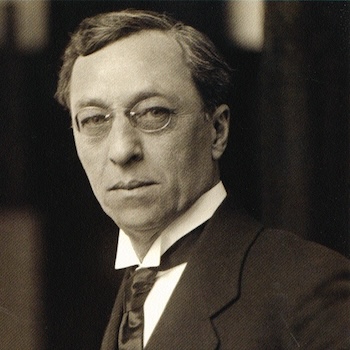
Wassily Kandinsky (1866–1944) A Russian painter and art theorist widely regarded as the father of abstract art, Kandinsky arrived at pure abstraction not by accident but through a deeply held belief — shaped by his passion for music, theosophy, and spiritual philosophy — that colour and form could communicate emotion directly to the soul without any need for recognisable subject matter. Born in Moscow into a cultured, musical family, he came to painting relatively late, abandoning a promising legal career in his thirties after being profoundly moved by a Monet exhibition and a performance of Wagner. He studied in Munich, co-founded the influential Der Blaue Reiter (The Blue Rider) group alongside Franz Marc, and later taught at the Bauhaus alongside Paul Klee, where his theories of colour and composition became foundational to modern art education. Forced from Germany by the Nazis, he spent his final years in Paris, continuing to paint with undiminished creative energy until his death in 1944. He left behind not only a revolutionary body of work but a set of ideas about art, colour, and the human spirit that transformed the course of Western art permanently and irrevocably.

Related Products